Proleterka

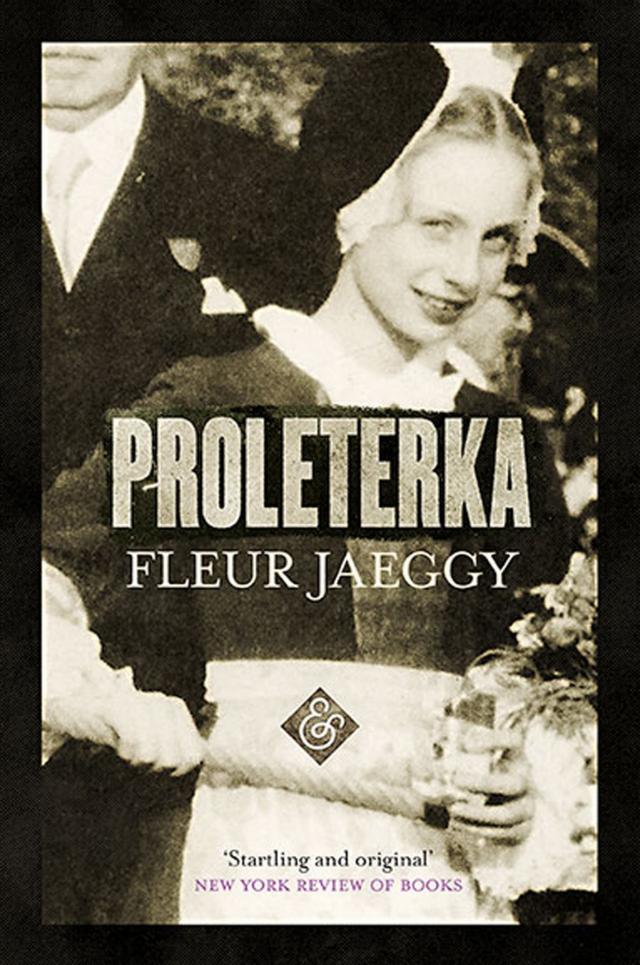
Proleterka

Fleur Jaeggy

Fleur Jaeggy

A fifteen-year-old girl and her father, Johannes, take a cruise to Greece on the Proleterka. Jaeggy recounts the girl's youth in her distinctively strange, telescopic prose: the remarried mother, cold and unconcerned; the father who was allowed only rare visits with the child; the years spent stashed away with relatives or at boarding school. For the girl and her father, their time on the ship becomes their 'last and first chance to be together.' On board, she becomes the object of the sailors' affection, receiving a violent, carnal education. Mesmerised by the desire to be experienced, she crisply narrates her trysts as well as her near-total neglect of her father. Proleterka is a ferocious study of distance, diffidence and 'insomniac resentment'.
Read online
  • 530
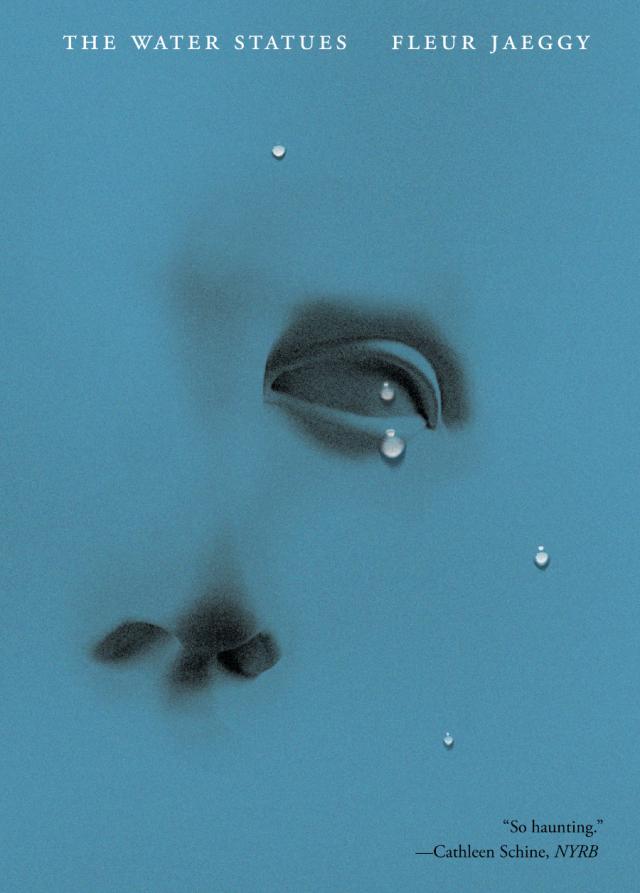
The Water Statues

The Water Statues

Fleur Jaeggy

Fleur Jaeggy

Family, obsession, and privilege boiled down by the icy-hot Swiss-Italian master stylist Fleur JaeggyEven among Fleur Jaeggy's singular and intricate works, The Water Statues is a shiningly peculiar book. Concerned with loneliness and wealth's odd emotional poverty, this early novel is in part structured as a play: the dramatis personae include the various relatives, friends, and servants of a man named Beeklam, a wealthy recluse who keeps statues in his villa's flooded basement, where memories shiver in uncertain light and the waters run off to the sea. Dedicated to Ingeborg Bachmann and fleshed out with Jaeggy's austere yet voluptuous style, The Water Statues—with its band of deracinated, loosely related souls (milling about as often in the distant past as in the mansion's garden full of intoxicated snails)—delivers like a slap an indelible picture of the swampiness of family life.
Read online
  • 42
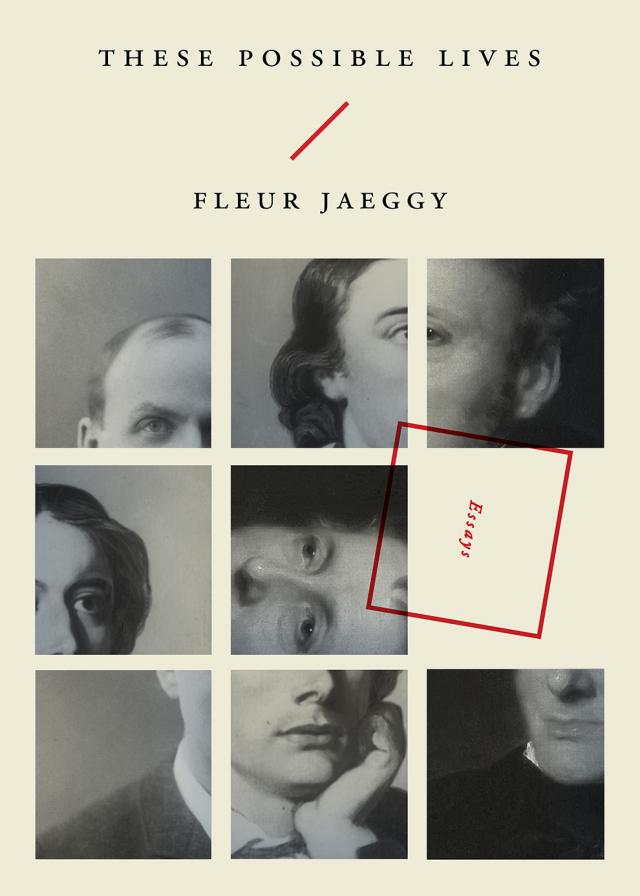
These Possible Lives

These Possible Lives

Fleur Jaeggy

Fleur Jaeggy

Brief in the way a razor's slice is brief, remarkable essays by a peerless stylistNew Directions is proud to present Fleur Jaeggy's strange and mesmerizing essays about the writers Thomas De Quincey, John Keats, and Marcel Schwob. A renowned stylist of hyper-brevity in fiction, Fleur Jaeggy proves herself an even more concise master of the essay form, albeit in a most peculiar and lapidary poetic vein. Of De Quincey's early nineteenth-century world we hear of the habits of writers: Charles Lamb "spoke of 'Lilliputian rabbits' when eating frog fricassse"; Henry Fuseli "ate a diet of raw meat in order to obtain splendid dreams"; "Hazlitt was perceptive about musculature and boxers"; and "Wordsworth used a buttery knife to cut the pages of a first-edition Burke." In a book of "blue devils" and night visions, the Keats essay opens: "In 1803, the guillotine was a common child's toy." And poor Schwob's end comes as he feels "like a 'dog cut open alive'": "His face colored...
Read online
  • 19
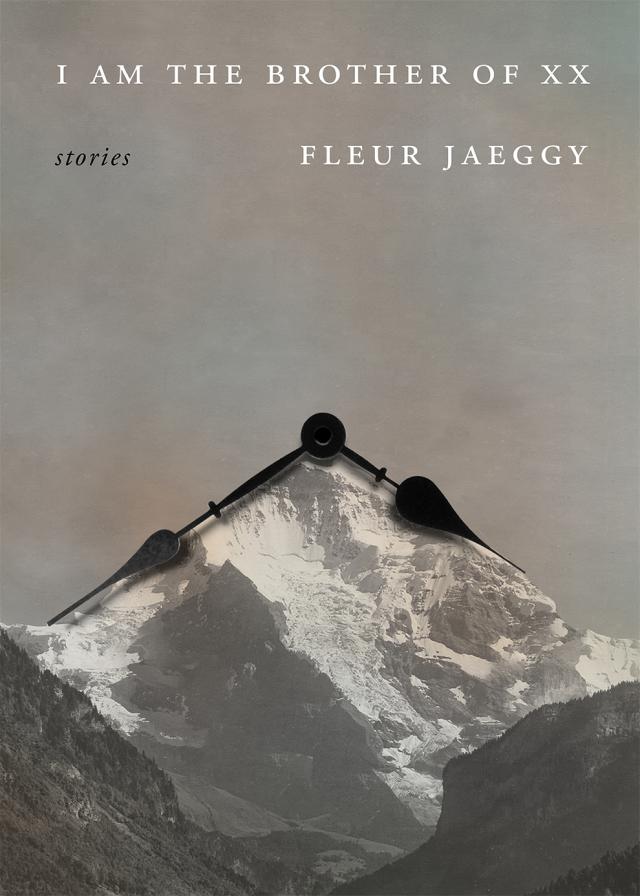
I Am the Brother of XX

I Am the Brother of XX

Fleur Jaeggy

Fleur Jaeggy

As concentrated as bullets, new stories by the inimitable Fleur JaeggyFleur Jaeggy is often noted for her terse and telegraphic style, which somehow brews up a profound paradox that seems bent on haunting the reader: despite a sort of zero-at-the-bone baseline, her fiction is weirdly also incredibly moving. How does she do it? No one knows. But here, in her newest collection, I Am the Brother of XX, she does it again. Like a magician or a master criminal, who can say how she gets away with it, but whether the stories involve famous writers (Calvino, Ingeborg Bachmann, Joseph Brodsky) or baronesses or 13th-century visionaries or tormented siblings bred up in elite Swiss boarding schools, they somehow steal your heart. And they don't rest at that, but endlessly disturb your mind.
Read online
  • 13
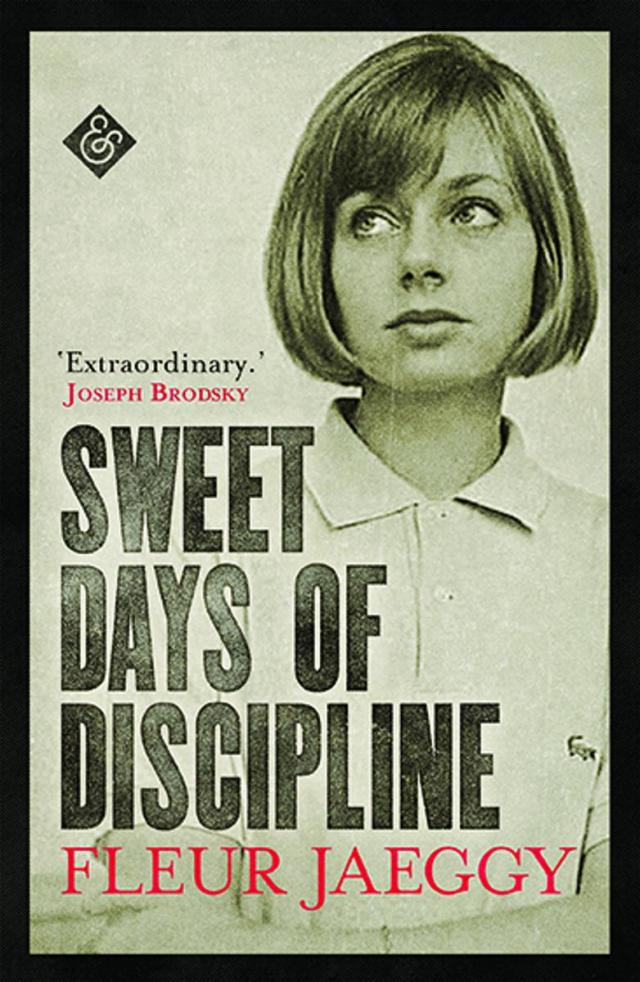
Sweet Days of Discipline

Sweet Days of Discipline

Fleur Jaeggy

Fleur Jaeggy

Set in postwar Switzerland, Fleur Jaeggy's eerily beautiful novel begins simply and innocently enough: "At fourteen I was a boarder in a school in the Appenzell". But there is nothing truly simple or innocent here. With the off-handed knowingness of a remorseless young Eve, the narrator describes life as a captive of the school and her designs to win the affections of the seemingly perfect new girl, Frederique. As she broods over her schemes as well as on the nature of control and madness, the novel gathers a suspended, unsettling energy.
Read online
  • 6
183